

10.16.26
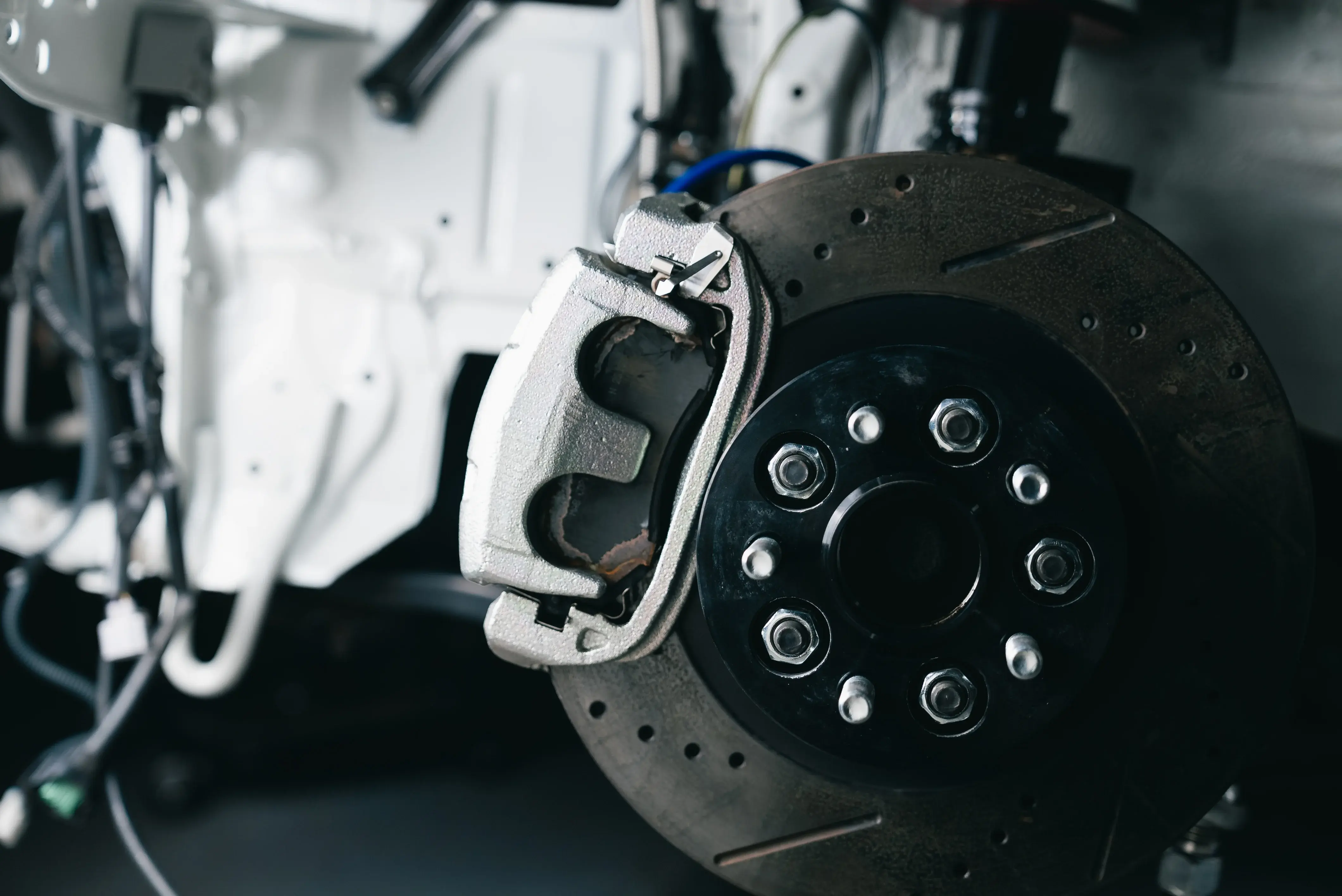
MRO (Maintenance, Repair, and Overhaul) companies generate significant profit by acquiring, repairing, and monetizing serviceable aircraft parts through structured programs such as exchange pools, resale, and long-term maintenance contracts.
At scale, this model creates a recurring revenue engine—but only when supported by strong inventory control, financial visibility, and system integration.
MRO companies build profitable business models around serviceable parts by acquiring used or unserviceable components at low cost, restoring them to certified condition, and monetizing them through resale, exchange programs, and long-term airline support agreements.
Aircraft teardown / part-out
Exchange pool programs
Consignment inventory
Component repair and resale
Strategic inventory management
Long-term maintenance contracts (PBH)
Global parts trading
At its core, the model looks like this:
Aircraft Acquisition → Parts Inventory → Repair → Exchange/Resale → Long-Term Contracts
Each stage compounds value:
Inventory becomes revenue
Repairs increase margin
Contracts stabilize cash flow
The result: a hybrid model of transactional + recurring revenue
MROs purchase end-of-life aircraft, disassemble them, and resell components individually.
Why it works:
Parts often exceed total aircraft value
High-demand components (engines, avionics) carry premium pricing
Example:
A $3–5M aircraft can yield $8–12M in parts revenue.
MROs handling aerospace or defense components also need to factor in regulatory exposure — see how to deploy Acumatica for ITAR, CMMC 2.0, and FedRAMP compliance when serviceable parts fall under export control.
Airlines receive immediate replacement parts while defective components are repaired and cycled back into inventory.
Profit Drivers:
Exchange fees
Repair revenue
High inventory utilization
Related: AOG response strategies powered by ERP
Airlines provide surplus inventory to MROs, who sell it on their behalf.
Benefits:
Airlines monetize idle stock
MRO avoids capital investment
MROs acquire unserviceable parts, repair them, and sell at a premium.
Example Margin:
Purchase: $5,000
Repair: $3,000
Sale: $15,000
Gross Margin: $7,000
This is where most profitability is won—or lost.
High-performing MROs:
Track failure rates across fleets
Monitor maintenance cycles
Stock high-demand components
Programs like Power-by-the-Hour (PBH) provide predictable recurring revenue.
Airlines pay:
Monthly or usage-based fees
MRO provides:
Replacement parts
Repairs
Logistics
Result: stable, long-term margin streams
MROs operate in global marketplaces, leveraging:
Regional pricing differences
Urgent AOG demand
Supply imbalances
Most MROs understand these models.
Few execute them profitably.
Why? Because of system fragmentation.
When inventory, repair, and financials are not unified:
Inventory cannot be trusted
Costs are delayed or inaccurate
Margins are estimated—not known
Traceability requires manual effort
Reporting becomes reconciliation, not insight
Critical Insight: Why inventory outside the ERP creates control risk.
There’s a parallel question to system fragmentation: is the consulting partner part of the problem? When optimization has been promised but never delivered, this is often a partner-fit issue too — and the right diagnosis matters before you change platforms.
To fully realize these models, leading MROs rely on integrated ERP systems.
ERP Enables:
Real-time inventory visibility
Accurate cost tracking by component
Faster AOG response
Margin visibility at transaction level
Learn more:
Inventory control within an ERP system
Financial visibility inside ERP systems
Top-performing organizations combine:
Large, global parts inventory
Fast repair turnaround
Deep airline relationships
Advanced forecasting
Many MRO companies attempt these strategies—but fail to capture full margin due to disconnected systems and lack of financial visibility.
If your inventory, repair operations, and financials are not fully integrated, you are likely leaving margin on the table.
Start with a focused ERP assessment:

How do MRO companies make money from aircraft parts?
By acquiring used or unserviceable components, repairing and certifying them, then monetizing through resale, exchange programs, and long-term service contracts.
What is an exchange pool program in aviation?
A service where airlines receive immediate replacement parts while their original components are repaired and returned to inventory.
What is Power-by-the-Hour (PBH)?
A contract model where airlines pay a fixed fee based on usage, and the MRO provides ongoing maintenance, parts, and support.
Why is inventory management critical in MRO?
Because profitability depends on having the right part available at the right time with accurate cost and traceability.

